

By Gail Boushey Published: 6/16/2026 Updated: 6/16/2026
Teachers are often handed more content than a lesson can reasonably hold. Whether you teach first grade or eighth grade, the pressure is the same: there is always more to cover.
Yet research and classroom experience tell us something important. Students can sustain focused attention for only a limited amount of direct instruction before they need an opportunity to think, talk, practice, or apply what they are learning.
When lessons run past that window, more explanation rarely produces more learning.
Here's what works instead—and how to make it happen even inside a scripted curriculum. . .
You're in the middle of a lesson. It feels like students are getting it, and you think one more example will help. So you keep going.
But as you look around the room, you can see it starting to shift. A few students are still with you. Others are drifting in those quiet ways that are easy to miss if you're not watching for them.
Someone has stopped writing. Someone is staring out the window. Someone is looking around the room instead of at the learning.
You finish what you were saying, but somewhere in the back of your mind you already know: you kept going past the point where students could hold on.
We've both been there.
The lesson is running longer than planned. There's more to cover, the concept is important, and stopping feels like giving up on the students who still need it.
So you keep going.
Here's what years of teaching and working alongside teachers has confirmed: the longer the lesson goes, the less learning happens. Students reach their attention limits faster than we often expect, and when they do, more explanation doesn't bring them back.
There is a guideline we return to often:
A student's age in years is roughly equal to the number of minutes they can sustain focused attention during direct instruction.
That doesn't mean a six-year-old can only learn for six minutes or a twelve-year-old can only learn for twelve minutes.
It means that after about that amount of direct teaching, students benefit from an opportunity to process, discuss, practice, apply, or reflect.
It's not a strict rule. It's a useful signal.
When lessons extend well beyond that window, the students who need clarity the most are often the first to disconnect.
John Hattie's Visible Learning research confirms what classroom observation shows us every day: brief, focused instruction followed by immediate opportunities to practice produces stronger learning than extended explanation alone.
Brief and effective lessons are not about teaching less.
They are about teaching with greater precision and creating the conditions for learning to stick.
Before you begin, ask yourself:
What is the one thing I want students to understand today?
A lesson may contain multiple activities, examples, and discussions, yet students need one clear teaching point to anchor their thinking.
When you name that idea, repeat it, and return to it throughout the lesson, students have something concrete to hold onto.
Don't wait until the end of the lesson for students to practice.
Pause and invite students to do something with the learning.
You might say:
Turn and explain this to a partner.
Try the first problem on your own.
Sketch your thinking.
Write one sentence that captures the main idea.
These small moments help students process what they are hearing and re-engage attention before it drifts.
The curriculum provides structure.
Students provide feedback.
Pay attention to body language, engagement, participation, and energy.
When attention begins to fade, it is often more effective to pause than to push through.
A quick summary, a partner discussion, or a short application task can bring students back into the learning far more effectively than another five minutes of explanation.
Not every part of every lesson must happen in one sitting.
If students are ready to practice, let them practice.
If the learning is becoming overloaded, pause and continue tomorrow.
Protecting the quality of learning is often more important than finishing every slide, page, or talking point.
When time is limited, it is tempting to keep talking in hopes that clarity will come.
Yet students usually need the opportunity to do something with the learning more than they need to hear more about it.
Practice reveals understanding.
Practice creates transfer.
Practice gives teachers information about what students actually know.
When deciding between another explanation and an opportunity to apply, choose the application.
You may be thinking:
"I don't control how long the lesson is."
That's a real challenge facing many teachers today.
The good news is that none of these shifts require rewriting the curriculum.
You can narrow the focus.
You can build in a turn-and-try.
You can watch students more than the pacing guide.
You can pause for application.
You can make decisions based on what students need in the moment.
Those moves happen inside any curriculum.
That's responsive teaching.
Picture your classroom when lessons are focused and brief.
Students are still with you when you send them off to work.
They understand the teaching point because the instruction was clear.
They have time to practice, think, and apply.
You have time to confer, monitor, and respond.
The classroom becomes a place where learning moves beyond exposure and into ownership.
That's what brief and effective lessons make possible.
Not less teaching.
More of the teaching that actually reaches students and stays with them.
Because learning sticks when students have the opportunity to do the work of learning themselves.
At Teach Daily, we call this one of the High-Impact Practices of effective teaching: brief and effective lessons followed by meaningful opportunities for independent practice and responsive teaching.
When teachers learn, students learn.
This article was originally published by MiddleWeb and has been lightly adapted for the Teach Daily community. Read the original article at MiddleWeb: Your 7th Grader Can Focus for 12 Minutes.
Quick lessons you can teach in 10 mins/day so students take responsibility for their learning and rely on you less.
Get the LessonsTeaching is complex. And the challenges teachers are navigating right now are real.
Strong programs, new mandates, and growing expectations have changed what classrooms look like. Yet the foundations of effective teaching remain the same.
Students need to practice independently.
Teachers need time to respond to learners.
Learning needs structure to carry forward.
These are skills that can be built.
At Teach Daily, we focus on the structure of teaching. How lessons, independent practice, and responsive conferring work together across a day so learning lasts.
Choose your next move:
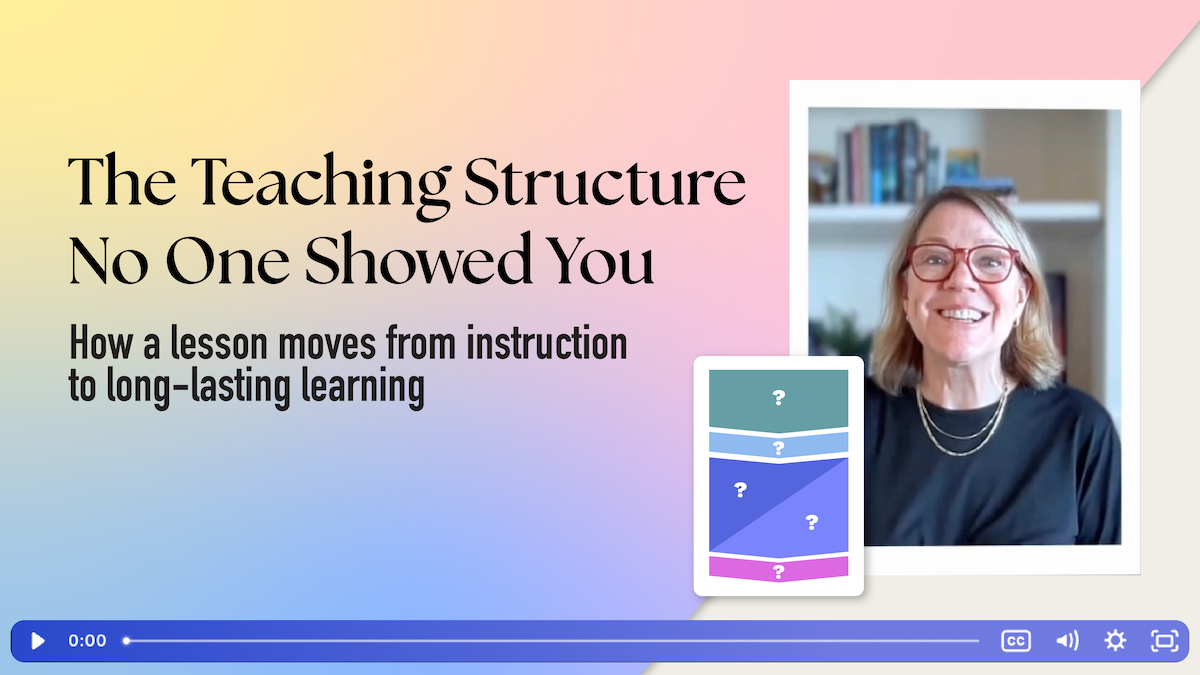
If you want to see the structure clearly, watch this training:
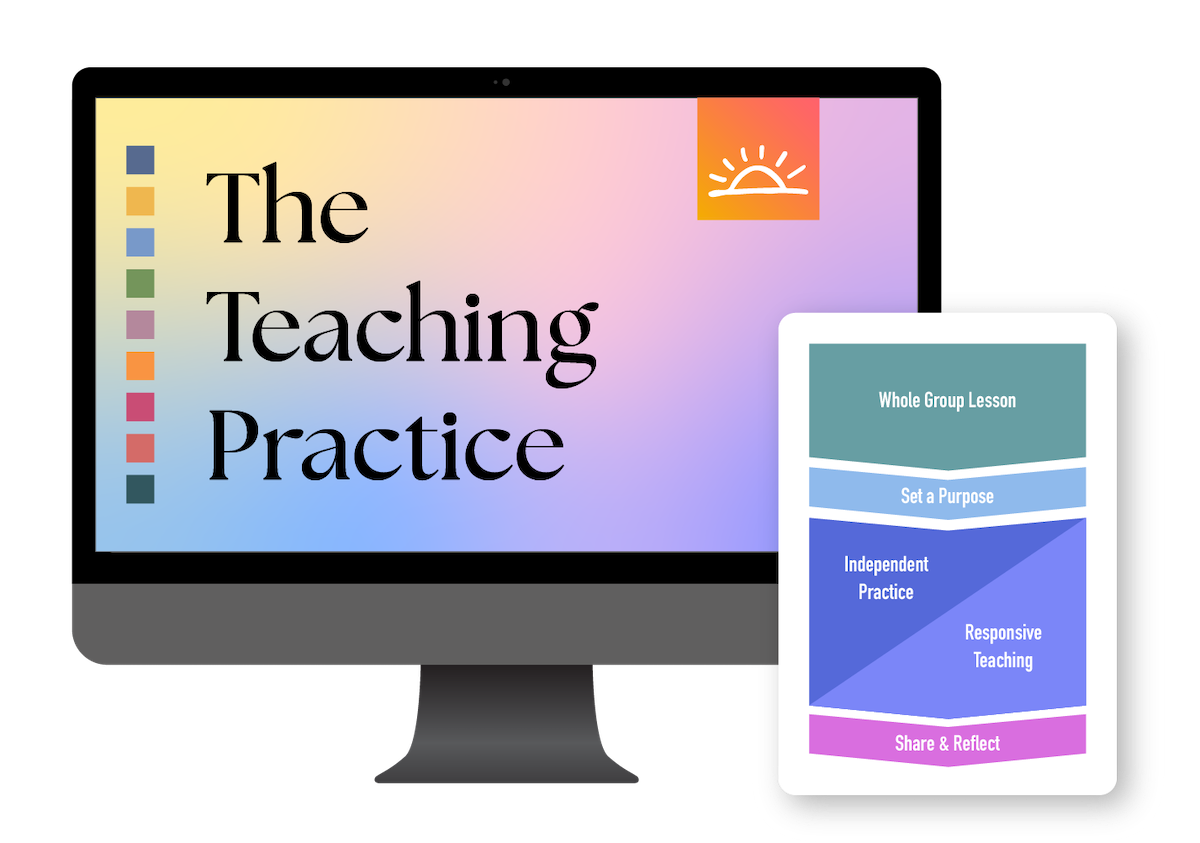
If you’re ready to strengthen these skills:

© 2026 Teach Daily
This site is protected by reCAPTCHA and the Google Privacy Policy and Terms of Service apply.