

By Gail Boushey Published: 2/16/2026 Updated: 4/15/2026
If you're a teacher who used Daily 5 you remember what it felt like when it worked.
Your students moved independently through their literacy practice. You taught whole group lessons, pulled small skill groups of students and met with students on-on-one. The room hummed with purposeful work. Students knew what to do, and more importantly, they could sustain their learning without you standing over them.
Then came mandates of adhering to sixty-minute whole group lessons, scripted lessons and……And suddenly, that independence you'd worked so hard to build? Gone. But here's what you might not have realized at the time: Daily 5 wasn't working because of the literacy tasks. It was working because you taught your students how to be independent learners.
Most teachers implemented Daily 5 as a literacy framework. They learned the five tasks: Read to Self, Read to Someone, Work on Writing, Word Work, and Listen to Reading. They taught the I-PICK strategy for choosing books, they worked up to over 30 minutes of independent stamina. All of that mattered, but it wasn't the core of why it worked.
The real power was in something that happened before students ever opened a book: You taught independence through structure.
Remember the 10 Steps to Teaching and Learning Independence? The careful modeling, the gradual release, the building of stamina? That wasn't just about reading. That was about teaching students how to sustain their own learning. And when they learned that? Everything else became possible.
We're hearing it everywhere. Teachers are saying almost guiltily:
Sound familiar?
The shift to programs has brought incredible gains in how we teach foundational skills. No one is arguing with that. But in the rush to implement these programs, something critical got lost.
Students need time to transfer their learning. They need to practice independently. And they need to be taught how to do that. This isn't an either/or situation. Strong foundational skills, instruction, and independent practice time can, and must, coexist.
If you're a newer teacher, you might be reading this thinking,
"What 10 steps? What structure for teaching independence?"
And that's exactly the problem. A generation of teachers entered the profession. They’ve been handed scripted programs and told to deliver whole-group instruction. They've never seen what's possible when students are taught, deliberately and systematically, how to work and practice independently.
They don't know that independence is a capacity that must be built, not a behavior you can demand. Stamina for independent work grows gradually through deliberate practice. Students can learn to sustain their learning without constant teacher monitoring. And think about this…small group instruction only works when the rest of the class can function autonomously.
But you can't blame them for not knowing. They were never taught how to teach it.
Quick lessons you can teach in 10 mins/day so students take responsibility for their learning and rely on you less.
Get the LessonsHere's what many teachers missed about Daily 5, the literacy tasks were just the vehicle. The real teaching happened when you started with the simplest possible task, Read to Self. You modeled exactly what independence looks like, built stamina incrementally (3 minutes, then 5, then 10), created predictable routines students could rely on, taught students how to self-monitor and self-correct their thinking and work. You gave students ownership of their learning behaviors.
That process? That's not a literacy strategy. That's a framework for building autonomy that transfers to everything. Once students could do Read to Self independently, the same structure worked for: Math practice, Writing, Science investigations, Project-based learning. Literally any context where students need to work without direct supervision.
The content changed. The independence structure stayed the same.
Classrooms today are facing unprecedented challenges: More diverse learning needs than ever before, students who lost critical years of learning self-regulation, wider achievement gaps requiring targeted small group instruction, pressure to differentiate for every student, less time and more curriculum to cover. Every single one of these challenges requires the same solution: Teachers need students who can sustain their own learning so teachers can do the targeted, responsive teaching that students desperately need.
You can't pull small groups if the rest of the class can't function without you. You can't differentiate if you're trapped in whole-group delivery mode. You can't give students the practice time they need to transfer new skills if they haven't been taught how to practice independently.
Teaching independence isn't optional. It's foundational.
Some teachers worry: "Won't independent practice time take away from my structured literacy block?"
Here's the truth: Science of reading teaches you WHAT to teach. The Teaching and Learning Framework teaches you HOW to create the conditions for students to practice what you've taught. (Cambourne) They're not competing. They're complementary.
Think about it this way: Your structured literacy program teaches students how to decode, blend, and read with fluency. That's critical. That's non-negotiable.
But then what?
Students need…
And while they're doing that? You need to be pulling small groups. Meeting with students one-on-one. Providing targeted intervention for struggling readers.
That only works if the rest of your students can function independently.
This isn't about choosing between structured instruction and independence. It's about understanding that both are essential—and that independence must be taught just as deliberately as phonics or comprehension strategies.
If you're feeling overwhelmed, here's the good news: you don't have to overhaul your entire program tomorrow.
You just need to understand one core principle: Independence is built through simple routines before teaching students independent reading or writing. This is what I mean. It will change the way you think about (and teach) independence.
This means you don't start by asking students to work independently during your most complex academic tasks. You start with something simple. Something with low cognitive load. Something where students just focus on learning how to be independent without the pressure of also learning new content.
For many teachers, that simple routine might be: Walking quietly in the hallway, Lining up, transitioning between activities, unpacking materials, cleaning up a workspace.
I’ve spent 20 years helping teachers build independence with Daily 5. If I were to start again, I would begin here: Teach students to transition between activities quickly and quietly.
These aren't just "classroom management." These are independence training grounds. When you teach these routines using the same deliberate structure of model, practice, build stamina, give feedback, create ownership, you’re teaching students:
Once they can do that? The same structure transfers to academic work. Same steps. Same process. Only the content changes.
When you teach independence this way, you're not just teaching compliance or behavior management. You're teaching a progression that transforms students.
Level 1: Independence → "I can do it myself.”
Students know what to do and can execute without help. They follow the routine. They complete the task. They don't need you standing over them.
Level 2: Autonomy → "I choose to do it because I understand why it matters."
Students understand the purpose behind what they're doing. They're not just complying, they’re making choices aligned with the learning goals. They self-direct because they see the value, not because you told them to.
Level 3: Ownership → "I take pride in doing it well because it's mine."
Students care about quality. They monitor their own work. They push themselves to improve. They take responsibility not just for completing the task but for doing it with excellence.
This is the journey every student needs. And you can't skip levels.
When students have learned to work independently, when they've moved through independence to autonomy to ownership, your time instantly opens up.
Suddenly, you can:
This isn't a dream. This is what happens when independence is taught deliberately.
If you used Daily 5 in the past, you already know this truth in your bones.
You remember what it felt like when your classroom hummed with purposeful work. When students moved independently through their learning. When you could actually teach small groups because the rest of the class didn't need you every second.
You've spent time missing that. Wishing you could get it back. Wondering if it was even possible with current mandates and programs.
Here's what we want you to know: It wasn't the literacy tasks that made it work. It was the structure you used to teach independence. And that structure works with anything.
You can reclaim what worked. You can teach students to be independent learners within your current program. You can create the conditions for the differentiated, responsive teaching your students need. You don't have to choose between strong foundational skills instruction and independent time.
You need both. And now you can have both.
If you're a newer teacher, or a veteran who simply never encountered this framework, you might be reading this thinking:
"Is this really possible? Can students actually sustain their learning without constant direction?"
The answer is yes, but only if they're taught how. And that's the part most teacher preparation programs skip.
They teach you curriculum, lesson planning and assessment. But they don't teach you how to build the infrastructure that makes learning possible.
They don't teach you that independence is a skill that must be taught before it can support learning, routines are the training ground for autonomy, and stamina builds gradually through deliberate practice.
The same structure transfers from simple routines to complex academic tasks. If no one ever showed you this, it's not your fault. But now you know. And know you're ready to discover the structure behind it all.
Looking back, the gift of Daily 5 wasn't the five literacy tasks. It was the discovery that independence can be taught.
It was the proof that students, all students, can learn to sustain their own learning when given the right structure and support.
It was the revelation that simple routines could build the capacity for complex learning.
It was the understanding that teaching independence isn't separate from teaching content, it’s the foundation that makes content learning possible.
That truth hasn't changed. And it's needed now more than ever.
So whether you're rediscovering what you once knew or learning it for the first time:
Welcome back.
Your students are waiting for what you're about to teach them.
If Daily 5 helped you build independence, the Teaching Structure will show you how it connects to conferring and learning transfer.
If you’re looking for deeper training, you’ll find it inside The Teaching Practice. It’s where we continue to study the high-impact practices behind Daily 5 (and CAFE) and how they come together to support independence and lasting learning.
Quick lessons you can teach in 10 mins/day so students take responsibility for their learning and rely on you less.
Get the LessonsTeaching is complex. And the challenges teachers are navigating right now are real.
Strong programs, new mandates, and growing expectations have changed what classrooms look like. Yet the foundations of effective teaching remain the same.
Students need to practice independently.
Teachers need time to respond to learners.
Learning needs structure to carry forward.
These are skills that can be built.
At Teach Daily, we focus on the structure of teaching. How lessons, independent practice, and responsive conferring work together across a day so learning lasts.
Choose your next move:
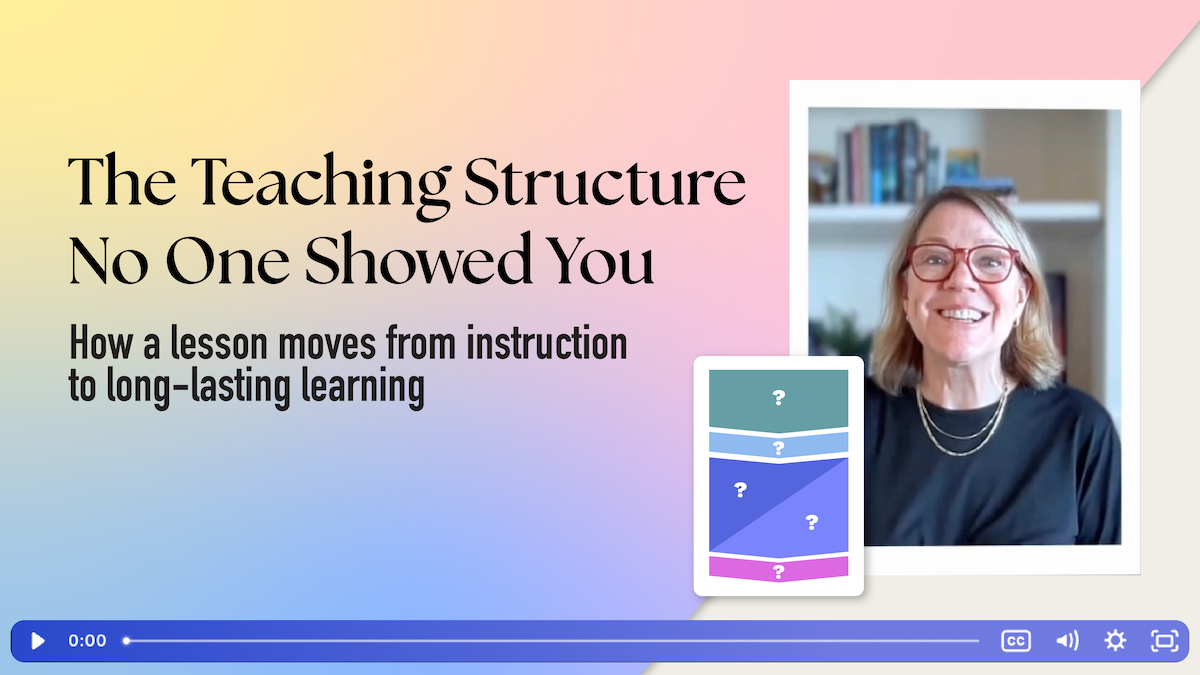
If you want to see the structure clearly, watch this training:
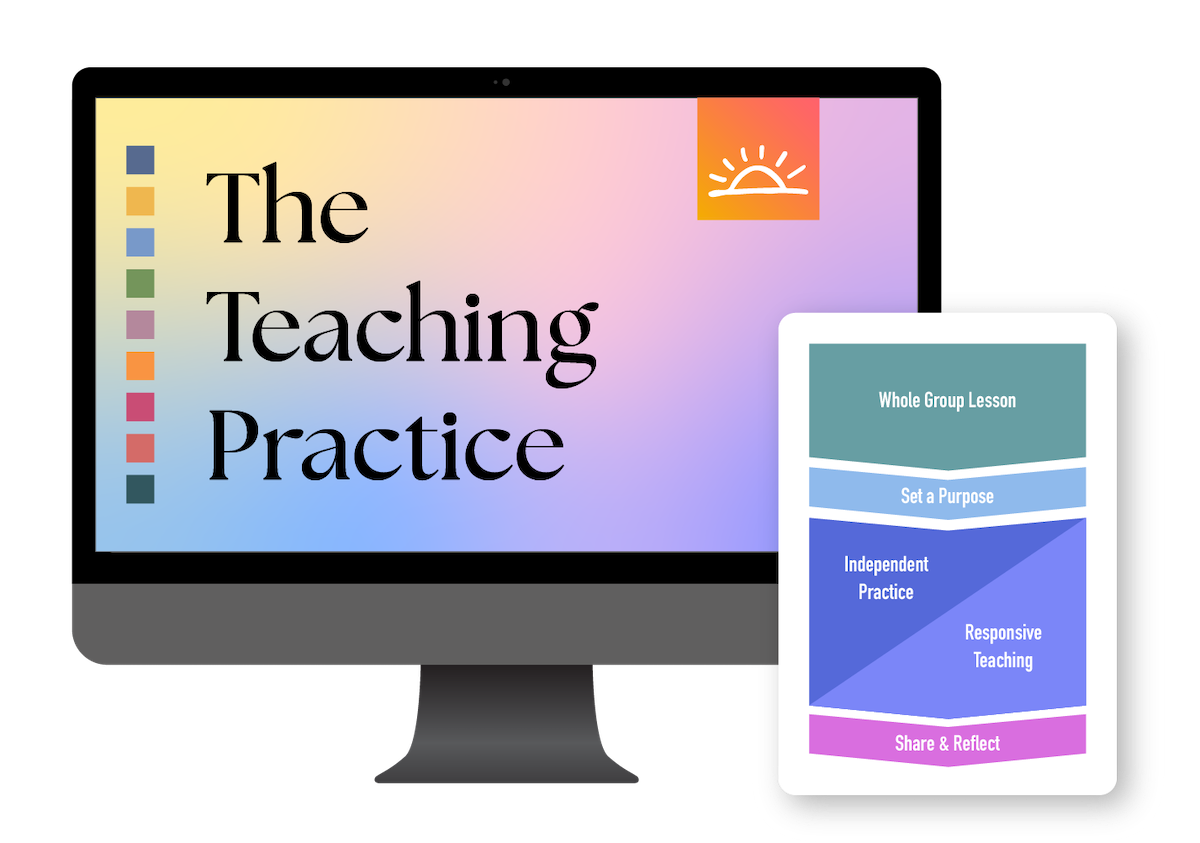
If you’re ready to strengthen these skills:
© 2026 Teach Daily
This site is protected by reCAPTCHA and the Google Privacy Policy and Terms of Service apply.