

By Gail Boushey Published: 2/16/2026 Updated: 4/15/2026
Programs change. Mandates change. The foundations of teaching don't.
The hunger to reach every student is the same. The commitment is the same. And the craft that makes it possible—teaching a whole group lesson well, building genuine independence, reaching students one-on-one while the rest of the class works purposefully—those skills deepen, year over year, in teachers who keep building them.
That growth in teaching skill is what this moment is calling for. And five things are converging right now that make the need for it clearer than it has ever been.
The Science of Reading movement has clarified what foundational literacy skills children need and in what order. Systematic phonics. Phonemic awareness. Fluency. Decoding. The research is real and the investment schools have made in this work is real.
Programs answer the "what": what to teach, in what order, with what materials. They were designed to do that, and they do it well. What opens up beyond the program (the practice time, the independent work, the responsive teaching that reaches every student) that's where the craft of teaching lives.
When teachers have deep skill in those foundations, the curriculum they already have becomes enough. When they know how to organize practice time, build independence, and confer while the rest of the class works purposefully—the program is the resource it was always meant to be.
Teachers stop searching for more materials because they have something more valuable: the craft of teaching what they already have.
Programs tell you what to teach. The craft of teaching shows you how it transfer into learning.
The average curriculum adoption cycle in American schools is three to five years. Teachers build fluency with one program, find their footing, and then the mandate shifts and the process begins again.
What carries forward through every one of those transitions is the craft of teaching itself: the ability to build student independence, deliver a focused lesson, confer responsively, bring learning to close so the lesson sticks. These skills don't expire. They deepen. They work with whatever program is in front of you because they're not about the content of any program. They're about how students learn.
When a school invests in teaching skills, the next mandate doesn't require starting over. Those teachers are ready because they know how to teach.
The classroom has shifted in recent years. It has brought more attention to what helps learning happen.
Learning depends on a few key conditions.
These conditions are built over time. Teachers create them with clear instruction and daily practice.
When they are in place, something remarkable opens up.
Students know what to do and stay with their work. The teacher can move through the room. They can meet with one student, gather a small group, and check in with others. Learning continues across the whole classroom.
This kind of teaching is what many teachers are working toward. And it rests entirely on skills that are learnable.
The teachers in classrooms today are navigating real complexity: diverse learning needs, students working through difficulty, the weight of everything schools are being asked to provide. What serves those teachers is a clear map. Something that makes what they're already doing more coherent, more intentional, and more sustainable.
Research consistently shows what keeps teachers in the profession. It's efficacy. The felt sense that what you're doing is working, that you can see your own growth, that the effort is going somewhere meaningful. That experience comes from skill—from knowing where you are, what you're building, and what to do next.
When teachers have that, the work becomes sustainable. And the students in front of them, year after year, are the ones who benefit most.
The students who benefit most from strong instructional structure are the students who depend on it most. Students with IEPs. Students learning English. Students who need steady, well-organized days to stay with their learning.
For those students, a classroom with clear routines, a teacher who reaches them regularly, and a structure that ensures they get the practice and support they need—makes learning more accessible. This is part of strong teaching. And it shapes what students are able to do.
These five forces point to the same place: the craft of teaching is what this moment is asking for.
The most powerful form of professional development has always been the mentor who walks alongside a teacher—sees their specific classroom, understands where they are, and stays present as the practice develops. That kind of sustained, responsive guidance changes teachers in ways a workshop simply cannot.
Teach Daily is built to make that available to every teacher, on their own terms. Inside The Teaching Practice, teachers are given a visual map of the foundations of every teaching block and a clear path forward to strengthen the practices of effective teaching.
Programs will keep changing. Mandates will keep changing. The foundations of teaching—and the teachers who know them deeply—are what endure.
The moment for this work is now. Discover a structure that will ground your teaching no matter what program you use, or will be using three years from now.
Quick lessons you can teach in 10 mins/day so students take responsibility for their learning and rely on you less.
Get the LessonsTeaching is complex. And the challenges teachers are navigating right now are real.
Strong programs, new mandates, and growing expectations have changed what classrooms look like. Yet the foundations of effective teaching remain the same.
Students need to practice independently.
Teachers need time to respond to learners.
Learning needs structure to carry forward.
These are skills that can be built.
At Teach Daily, we focus on the structure of teaching. How lessons, independent practice, and responsive conferring work together across a day so learning lasts.
Choose your next move:
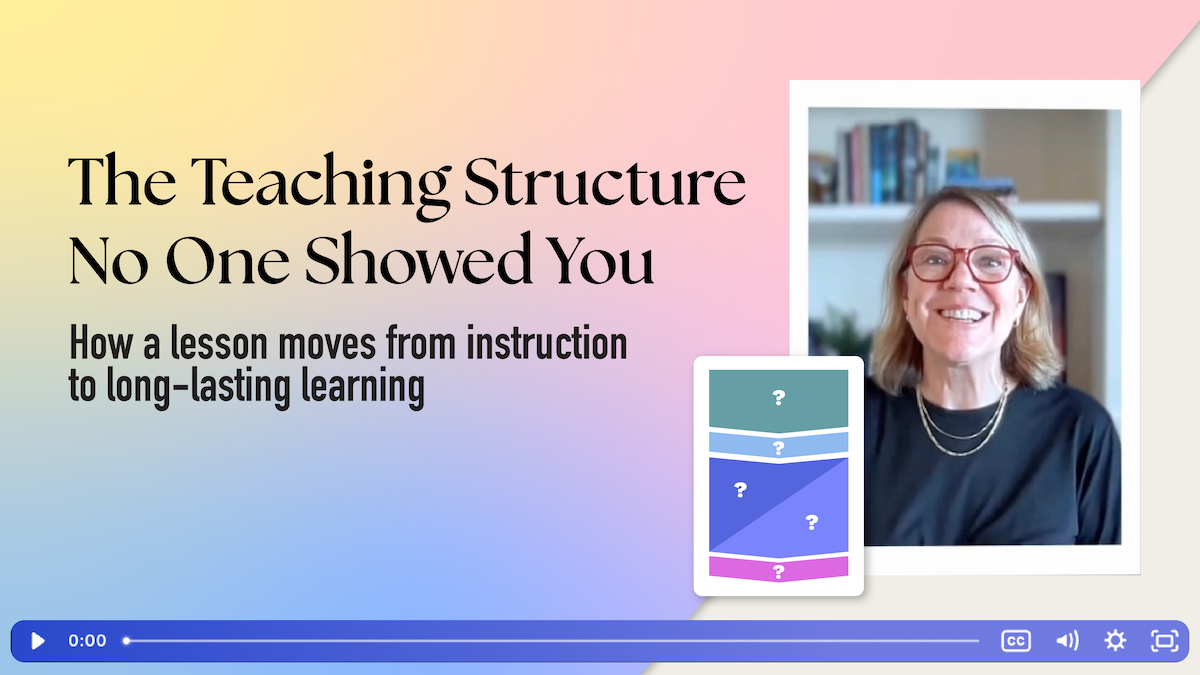
If you want to see the structure clearly, watch this training:
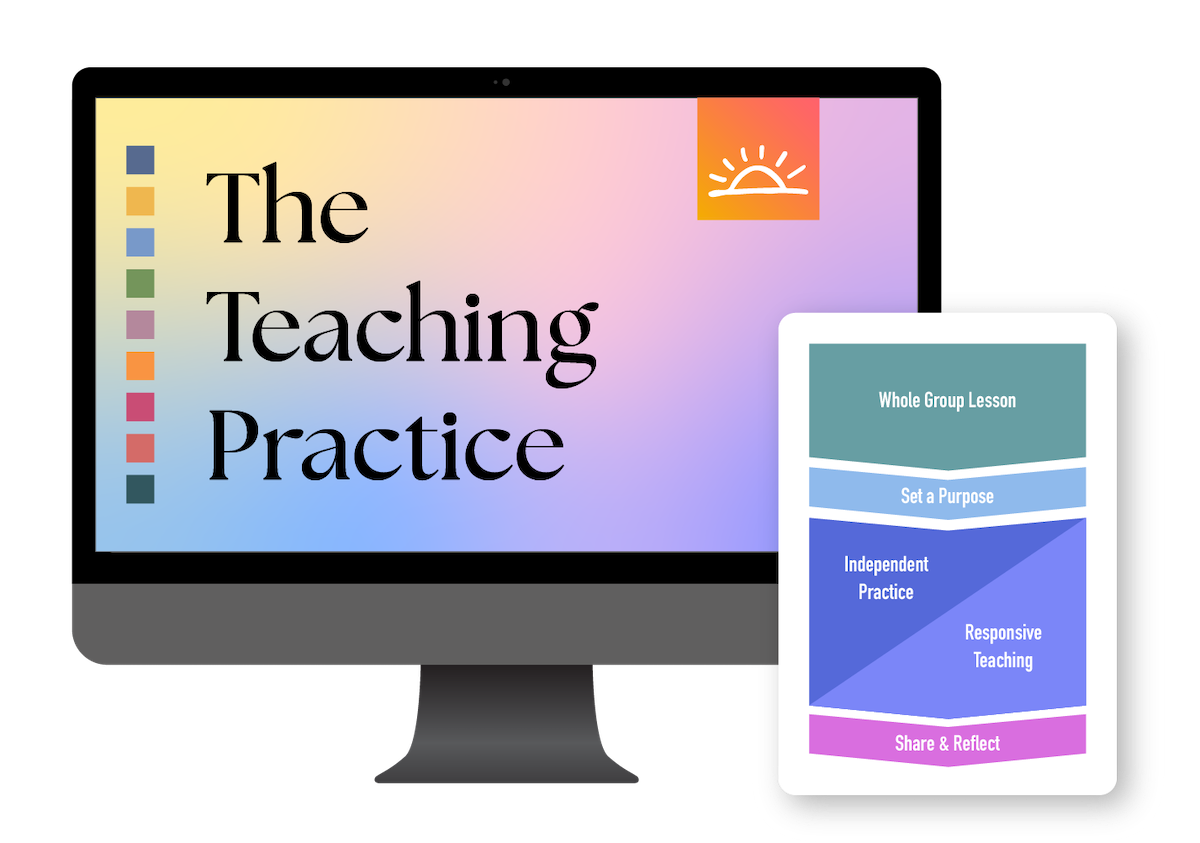
If you’re ready to strengthen these skills:
© 2026 Teach Daily
This site is protected by reCAPTCHA and the Google Privacy Policy and Terms of Service apply.