I remember sitting beside a student one February, listening as he read.
We were deep into a conference. He was talking through his thinking, and I was trying to decide what he needed next.
Around us, the classroom kept moving.
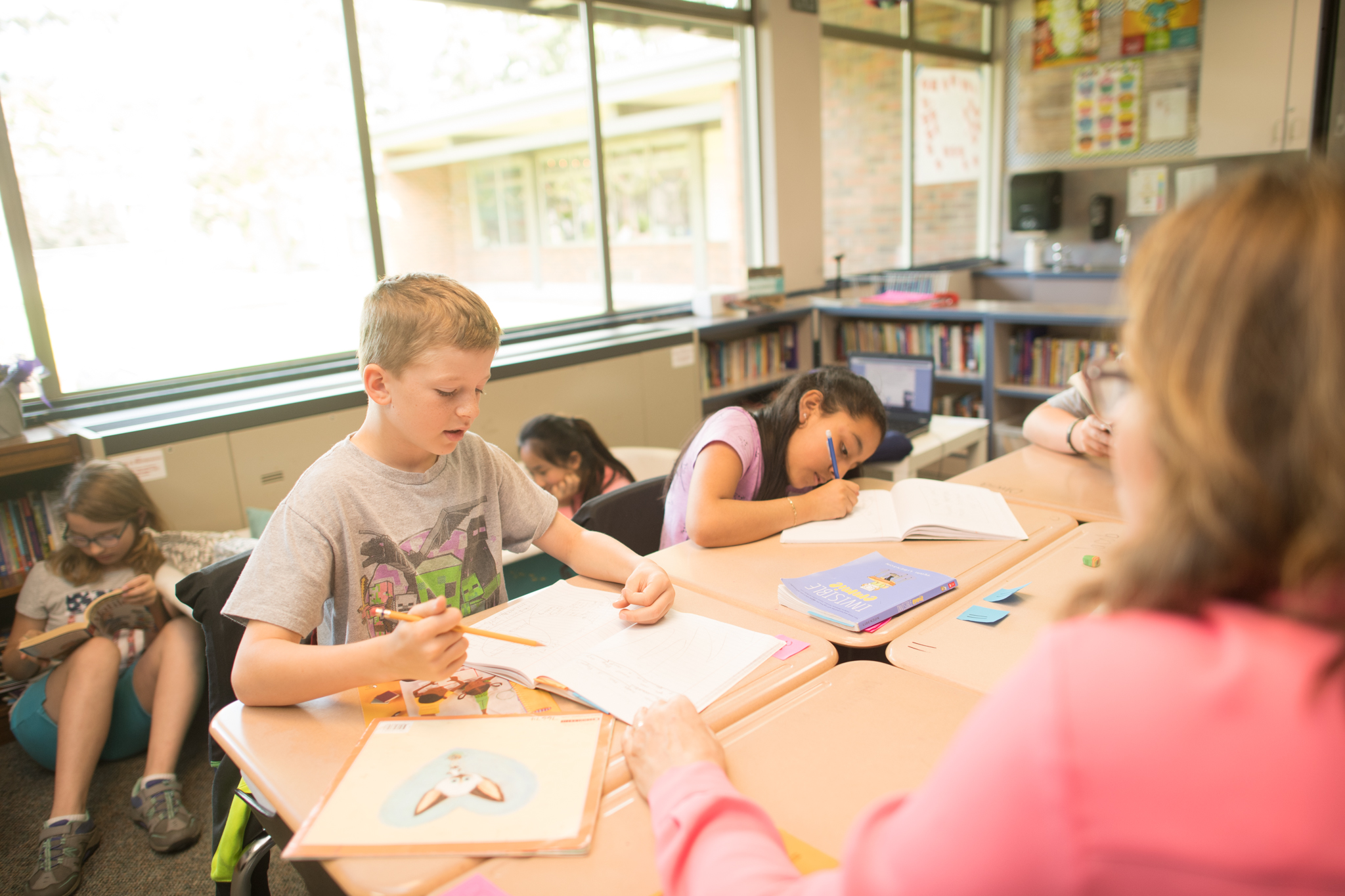
Students were reading and writing. Someone finished a book and quietly chose another. Two students moved to a different spot in the room. A pair of readers leaned toward each other to share their thinking.
Then I gave our quiet signal.
Students finished their thoughts, put down what they were working on, and turned their attention toward me.
It took seconds.
I remember looking around the room and thinking about how much had gone into that moment.
Back in the first days of school, we had practiced responding to that quiet signal. We had learned how to choose materials and where to find them. We had practiced transitions. We had talked about what engagement looks and feels like. We had learned how to set a purpose, work independently, share our thinking, and reflect on our learning.
One lesson at a time.
By February, those lessons had become part of how we learned together.
And that meant I could sit beside one reader and give her my full attention while everyone else continued learning.
That's the part of the first days of school I wish every teacher could see ahead of time.
When we intentionally teach students how to learn together, we're building toward all the teaching we'll want to do later.
Every time students transition quickly with purpose, we gain time for learning.
Every time they solve a small problem on their own, we can stay with the student we're teaching longer.
Every time they sustain independent work, we have an opportunity to confer, gather a small group, provide intervention, or simply watch closely enough to see what students need next.
The lessons we teach in those opening days keep working long after we've taught them.
Here's something to try this week.
As you think about your first days with students, picture your classroom a few months from now.
What do you hope you'll see?
Maybe students move easily from a whole-group lesson into independent practice. Maybe they know how to choose what they need and get started. Maybe they can work together, share their thinking, and solve small problems on their own. Maybe you're sitting with a small group while learning continues all around you.
Choose one of those moments.
Then work backward.
What will your students need to learn in the first days of school for that moment to become possible?
Teach that.
Give them time to practice. Notice what's working. Revisit it together. Then build the next piece.
By February, you'll see those first lessons everywhere.
Gail
This article might be missing links that were included at the time of publication.