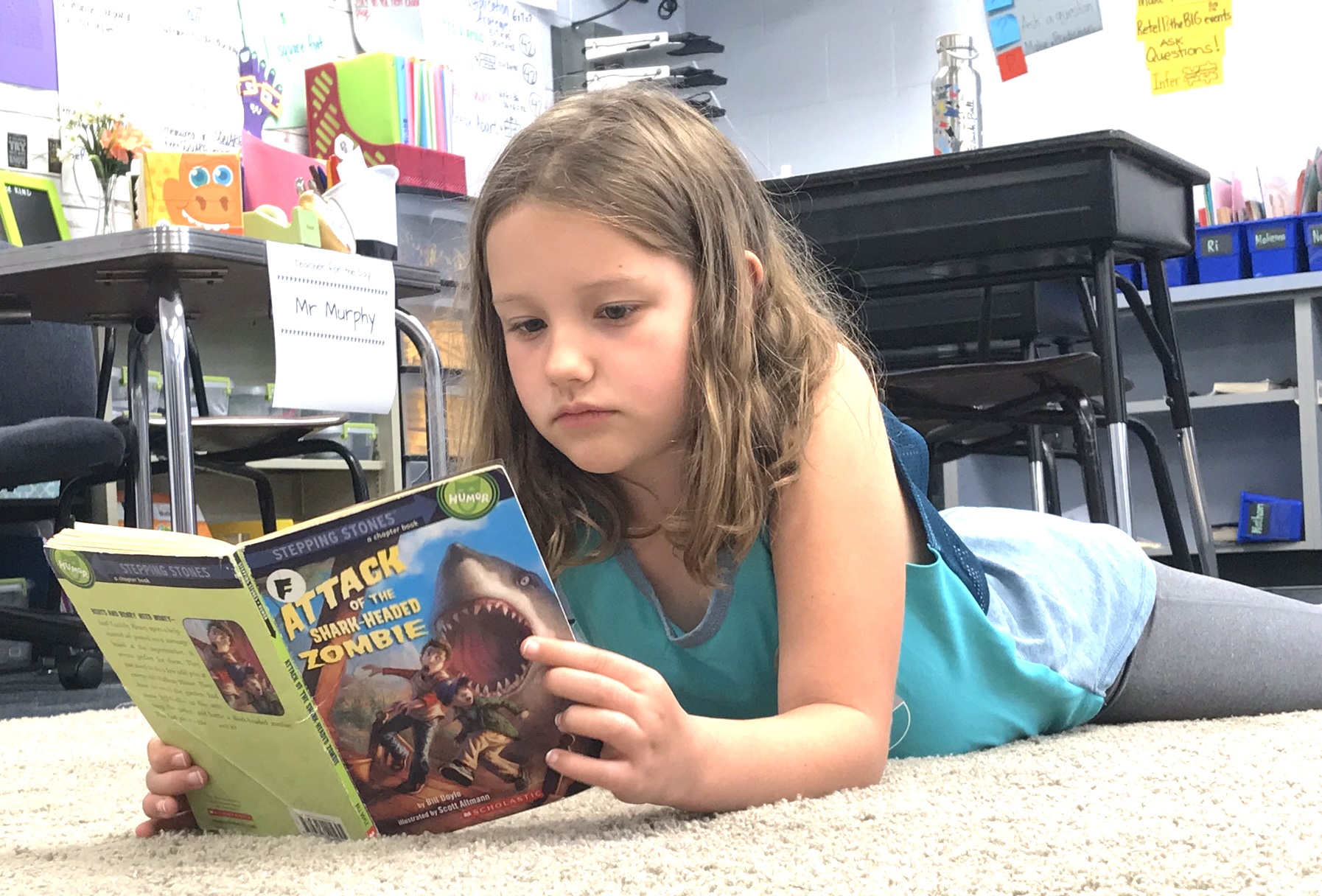
Few moments feel better than watching students settle into their work and seeing they know exactly what to do.
They begin right away. They know what to do. They stay engaged. Everything we’ve practiced seems to be coming together.
It can feel like the signal to move forward.
Over the years, I’ve learned to stay in that moment a little longer.
When students begin to successfully work on their own, giving them another opportunity to do it builds on that success.
Each experience makes the routine more familiar. Students spend less energy figuring out how to get started or what to do next and can give more of their attention to the learning itself. They encounter little problems and discover they know how to handle them. They begin to trust themselves to keep going.
That strong foundation matters as we begin adding more.
Students who already know how to settle into meaningful work independently have something familiar to return to as we introduce another way to practice. We can add gradually, while protecting the independence they've already built.
And as that independence becomes more dependable, our role begins to shift, too.
We can sit beside one student and listen closely. We can confer without continually looking across the room. We can gather a small group and stay with their thinking. All around us, students know how to keep learning.
Every successful repetition is helping us get there.
Here’s something to try this week:
Think of one part of your day that is going well.
Maybe students are settling into reading quickly. Maybe they can begin writing on their own. Maybe a routine you've spent weeks teaching is finally starting to click.
Let them do it again.
Watch for what is becoming easier. Notice what they handle without you. Give them another opportunity tomorrow to experience that same success.
There will be time to add another layer.
The stronger students become with what they can already do independently, the more smoothly we can expand what they can do. And the more confidently we can turn our attention to the learners who need us.
Gail
This article might be missing links that were included at the time of publication.