

By Gail Boushey Published: 5/15/2026 Updated: 5/15/2026
Twenty years of sitting beside teachers in classrooms gives you a particular kind of knowledge. Not the kind that comes from research summaries or approval processes. The kind that comes from watching what actually happens when a child learns to read. What the teacher does in the moment before it clicks. What the room feels like when it does.
That knowledge is what is missing from the current conversation about literacy instruction.
When a building inspector condemns a structure, the process has a logic to it. She walks through. She checks the load-bearing walls, the foundation, the systems that keep the building standing. She distinguishes between what needs attention and what is holding. The code exists for good reason. Nobody argues against safe buildings. The inspection exists so the code gets applied to what is actually there.
States have approved materials, published lists, passed mandates. The concern driving all of it is legitimate. Some students across the country are not learning to read, and the research pointing toward structured literacy, systematic phonics, and explicit instruction needs to be taken seriously. But approval processes built on standards alignment and publisher submissions are not the same as looking at what is working in a given school, a given classroom, with a given population of students.
Rachael Gabriel, who has studied this round of curriculum adoption closely, notes that no two states have arrived at the same list of approved programs, that the criteria used to evaluate materials vary significantly across organizations and states, and that the two programs appearing on nearly every state list are published by the largest education companies in the country.
Her observation about what this process actually measures: curriculum purchasing has become “as much about virtue signaling as it is about equipping teachers with good ingredients to start with.”
Her most precise line: “Humans, not materials, teach children.”
A literacy coach I spoke with last week has students progressing. She knows each of them, their skills, their gaps, what they need next. She has spent years studying her craft, assessing, adjusting, designing instruction toward what each student needs. She is exactly the kind of teacher the research describes when it talks about what moves children forward.
I have sat beside teachers like her in hundreds of classrooms across the country. Her state’s process did not ask what and how her students are doing. It asked which blueprint she was using.
She is not an outlier. She is what careful, sustained teaching practice looks like. And she is being asked to set it aside.
This is where the inspection breaks down.
The question that curriculum adoption processes are designed to answer is reasonable: are teachers using approaches the research supports? The question they are not designed to answer is the one that would tell us the most: what are the practices producing results here, and how do we know?
Those answers live in classrooms. In schools where leadership has looked closely at what instruction actually produces. In districts that have asked that question before writing the purchase order. In the practices that produce children who read. Practices that don’t belong to any single program, that transfer across any curriculum, any mandate, any approved blueprint.
Gabriel asks whether the recent purchase fits the school that bought it. That question assumes the purchase came after someone looked carefully at the school.
In most cases, it did not. And that is where the inspection has to start.
The people closest to that work are the ones best positioned to start it.
Gabriel, R. (2026, May 11). Curriculum buyer’s remorse? Part 1: “HQIM” often not HQ, sometimes more than IM. Substack. https://substack.com/home/post/p-196557943
Quick lessons you can teach in 10 mins/day so students take responsibility for their learning and rely on you less.
Get the LessonsTeaching is complex. And the challenges teachers are navigating right now are real.
Strong programs, new mandates, and growing expectations have changed what classrooms look like. Yet the foundations of effective teaching remain the same.
Students need to practice independently.
Teachers need time to respond to learners.
Learning needs structure to carry forward.
These are skills that can be built.
At Teach Daily, we focus on the structure of teaching. How lessons, independent practice, and responsive conferring work together across a day so learning lasts.
Choose your next move:
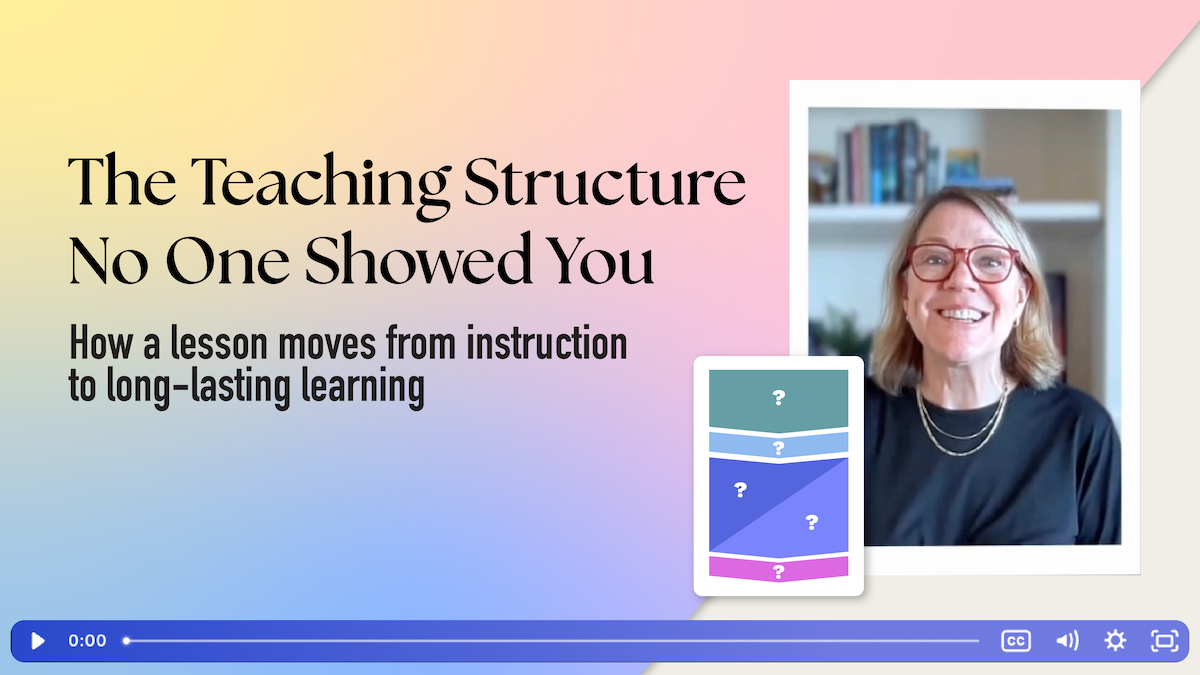
If you want to see the structure clearly, watch this training:
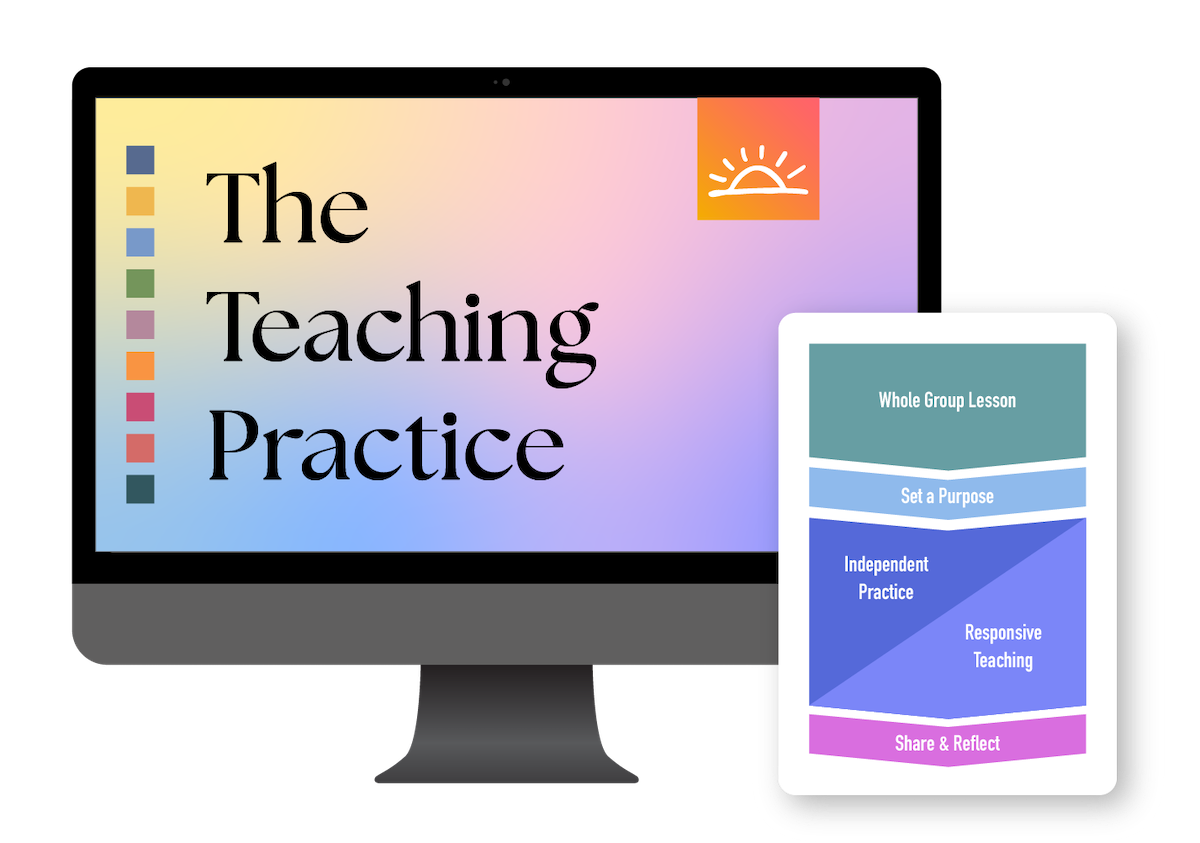
If you’re ready to strengthen these skills:

© 2026 Teach Daily
This site is protected by reCAPTCHA and the Google Privacy Policy and Terms of Service apply.