For more than 20 years, our work has continued to grow from one central question: When I'm working with a student, what's the rest of the class doing?
Along the way, I've co-developed several frameworks and systems that answer different parts of that question. You may already know some of them by name.
We now understand more clearly how they fit together. The Teaching Structure gives us the bigger picture. It shows how teaching moves from a lesson into purposeful student practice, responsive teaching, and reflection.
Everything else strengthens or supports a part of that structure.
If you've been with us for years, much of this will feel familiar. Daily 5 is still Daily 5. CAFE is still CAFE. The 10 Steps are still central to how we teach routines and independence. What's new is The Teaching Structure gives all of that work a home.
You’ll encounter each one throughout the membership, with courses and resources that help you put it into practice.
This guide simply gives you the big picture so you can see how the pieces fit together and understand the role each one plays in effective teaching and learning.
Each method answers a different question about effective teaching:
- The Teaching Structure → How do lessons transfer to student learning?
- Prepared Classroom High-Impact Practices → How do teachers become more effective?
- 10 Steps for Teaching and Learning Independence → How do students become independent and engaged?
- Daily 5 → What do students do during literacy independent practice?
- CAFE → How does the teacher personalize literacy instruction?
Together, they create a connected approach to teaching that you can build one piece at a time.
The Teaching Structure
The Teaching Structure explains how teaching transfers to learning.
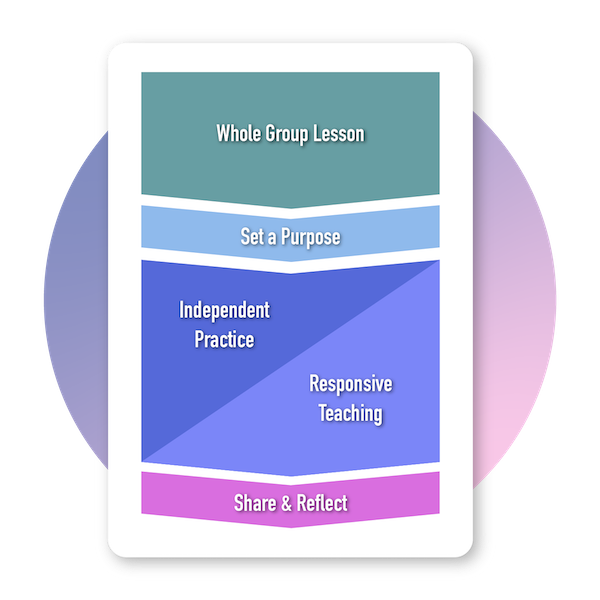 We do this by organizing every teaching and learning session into five repeatable parts: Whole Group Lesson, Set a Purpose, Independent Practice & Responsive Teaching, and Review & Reflect.
This simple structure can be repeated throughout the day, across every subject and curriculum, creating predictable learning experiences where students know what to expect and teachers know where each part fits. Every part of the structure is grounded in high-impact teaching practices. Teachers can use it with consistency and confidence knowing what they're doing is moving student learning forward.
Everything presented on this page works within The Teaching Structure (10 Steps, Daily 5, CAFE, Prepared Classroom High-Impact Practices).
Outcome: Teachers understand how a lesson transfers to student learning.
Prepared Classroom High-Impact Practices
The High-Impact Practices define the researched teaching practices that make effective teaching possible.
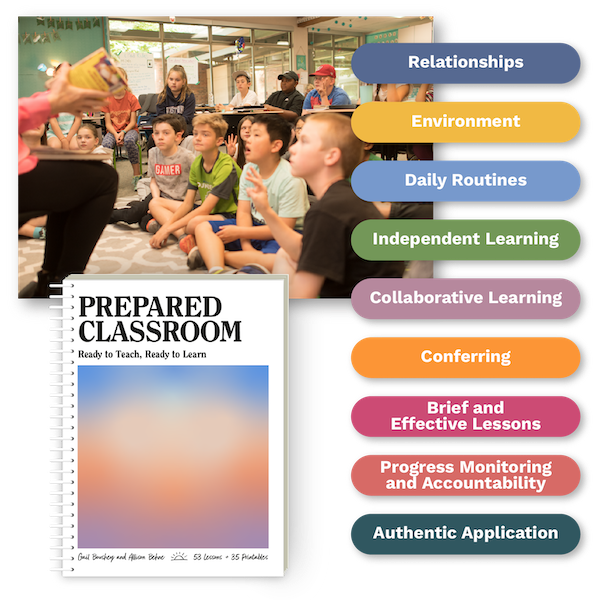 Originally introduced in Prepared Classroom, they help teachers intentionally strengthen one part of their teaching at a time—from building relationships and establishing routines to conferring, authentic application, and independent learning. Together, these practices create the conditions where the Teaching Structure works as intended.
Where it lives in The Teaching Structure: These practices span across all five components of The Teaching Structure.
Outcome: Teachers strengthen the practices that lead to greater student learning and independence.
10 Steps for Teaching and Learning Independence
How to teach students how to succeed during independent practice.
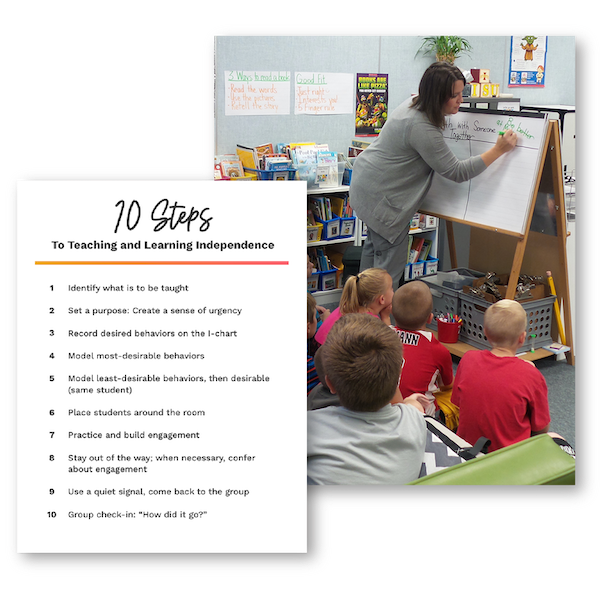 We do this by explicitly teaching every routine, expectation, and behavior students need in order to work successfully on their own. Using the 10 Steps, teachers gradually build that independence through modeling, guided practice, reflection, and repeated opportunities to practice. Along the way, students develop the trust, stamina, responsibility, and confidence that make real independent learning possible.
Where it lives in The Teaching Structure: The 10 Steps span all five components of The Teaching Structure.
Outcome: Students know how to work independently on any routine or behavior teachers want them to own.
Daily 5 Literacy Framework
Daily 5 provides the authentic literacy work students do during independent practice.
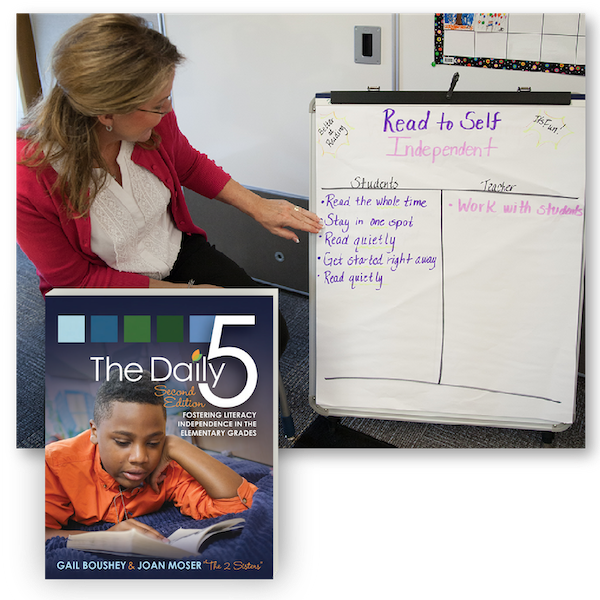 We do this by explicitly launching five meaningful literacy routines that students return to throughout the literacy block:
- Read to Self
- Work on Writing
- Read to Someone
- Word Work
- Listen to Reading
Rather than completing activities or busy work, students spend independent practice engaged in authentic reading, writing, speaking, listening, and word study while teachers provide responsive instruction through conferring and small groups.
Where it lives in The Teaching Structure: Daily 5 lives within the Independent Practice component of The Teaching Structure.
Outcome: Students apply literacy learning in meaningful ways while teachers gain time to teach responsively.
CAFE Literacy System
CAFE provides the system for assessing, goal setting, conferring, and teaching individual readers.
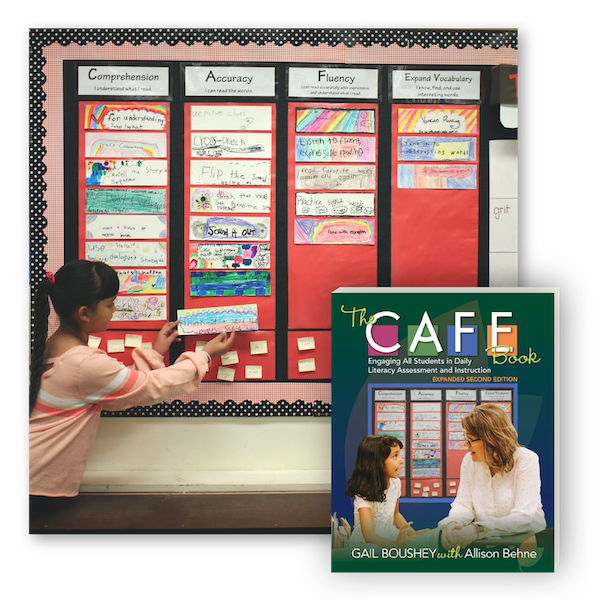 We do this by helping teachers identify what each student needs next, set meaningful reading goals, explicitly teach research-based reading strategies, and monitor progress over time.
As strategies are introduced during the Whole Group Lesson, they're added to the CAFE Menu—a visual guide that helps students see and remember the strategies they can draw on while reading independently. Together, CAFE creates a shared language for teachers and students around reading growth.
Where it lives in The Teaching Structure: CAFE lives within the Responsive Teaching component of The Teaching Structure. The Literacy Framework (first introduced in The CAFE Book as The Instruction Protocol) is how we design brief and effective lessons and that pieces lives within the Whole Group Lesson component of The Teaching Structure.
Outcome: Every student knows what they're working on as a reader, and teachers know how to respond to each learner's individual needs.
Together, these frameworks give you a shared way to understand, strengthen, and talk about your teaching, while giving you the freedom to build your practice one piece at a time.