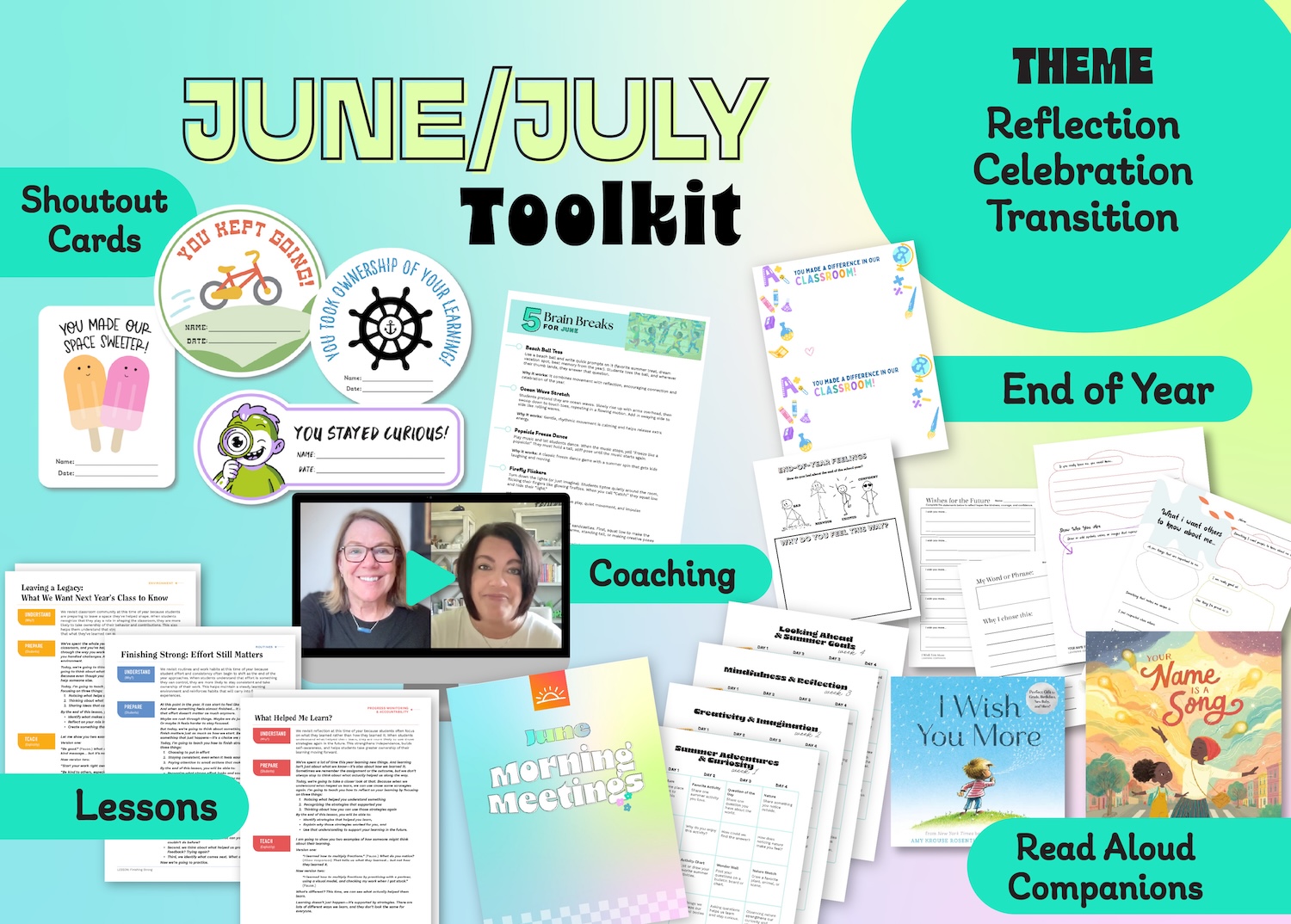
Creating a kind and empathetic classroom starts with small, intentional moments woven into the day. This resource offers simple, meaningful activities that help students notice kindness in themselves and others, express gratitude, recognize emotions, and reflect on how their actions impact those around them. From writing compliments and thank-you notes to tracking acts of kindness and reflecting on daily choices, these ideas are designed to build empathy, strengthen relationships, and foster a classroom culture where kindness is seen, valued, and practiced every day.
Kindness Catchers
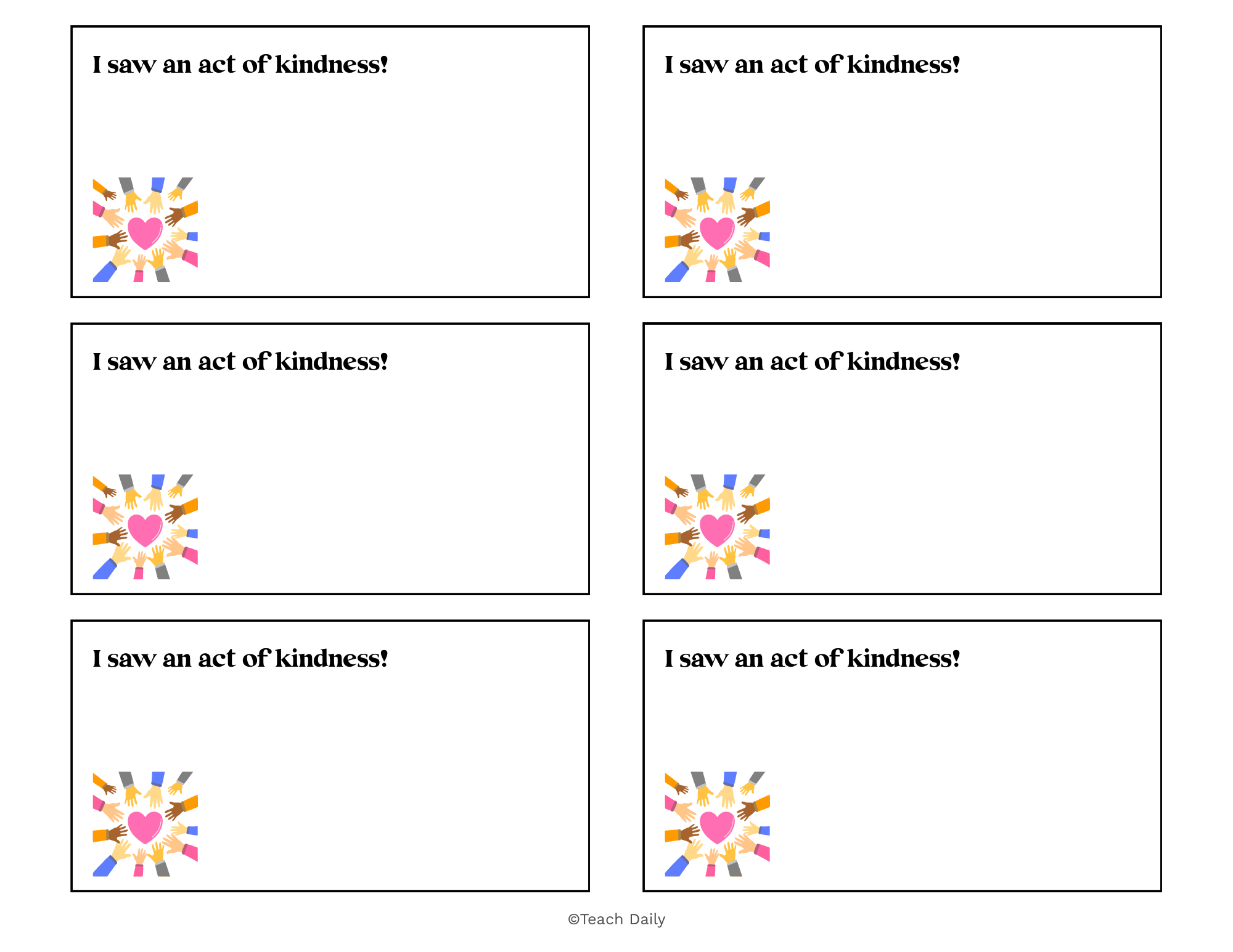
introduce Kindness Catchers by encouraging students to write or draw acts of kindness they notice in the classroom or school community. Collect and share these during morning meeting or closing circle to highlight positive behaviors and reinforce empathy. Use this routine to help students recognize kindness in others and understand the impact of small, thoughtful actions.
Compliment Cards
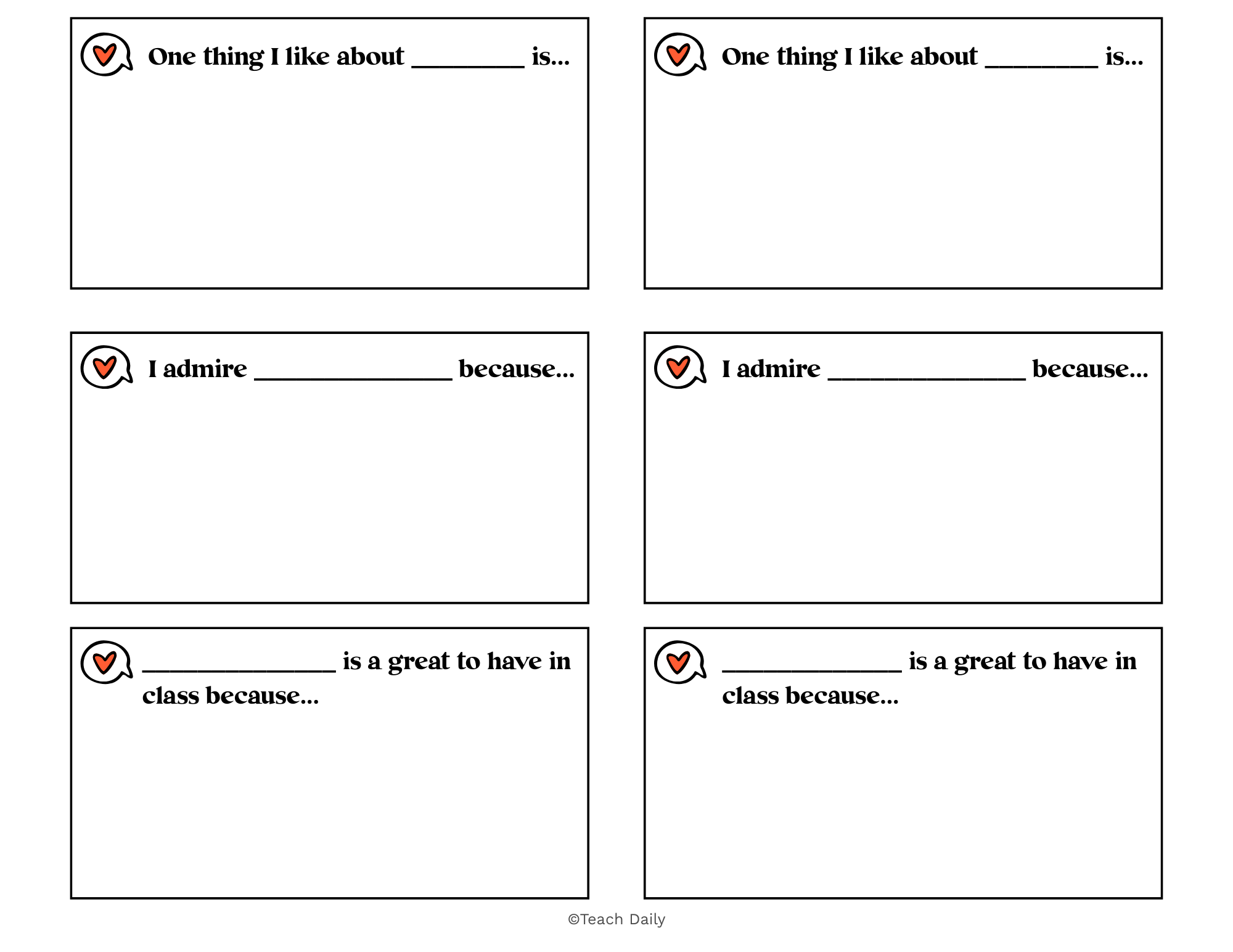
Use Compliment Cards to help students practice noticing and naming positive character traits in others. Encourage students to write sincere, specific compliments and share them anonymously to build confidence and strengthen classroom relationships. This activity reinforces kindness, empathy, and the power of encouraging words.

Gratitude Journals
Students regularly write or draw about people, moments, or actions they’re thankful for to build appreciation and empathy.
Kindness Chain
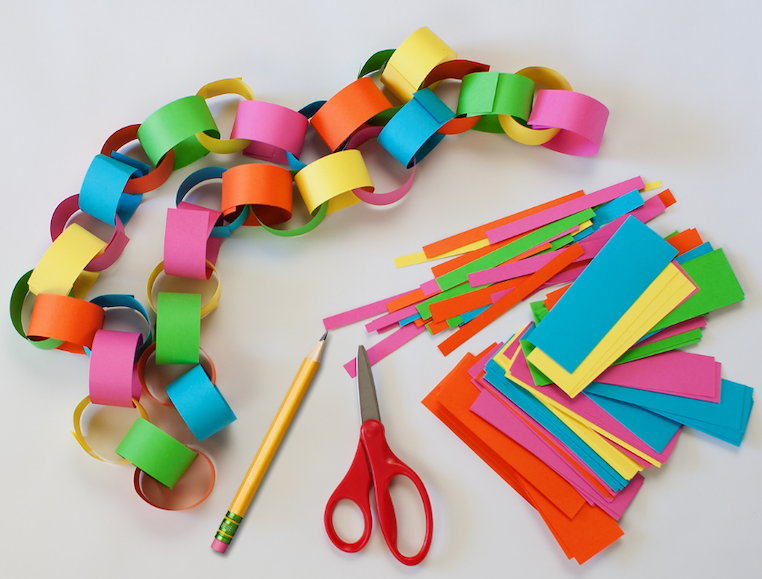
Create a Kindness Chain by having students write or draw acts of kindness they notice or perform on paper strips. Each time an act of kindness is recorded, add a link to the chain and display it in the classroom to visually show how kindness grows and connects the community. Use the chain as a reflection tool during meetings or closing circle to reinforce positive behavior and empathy.
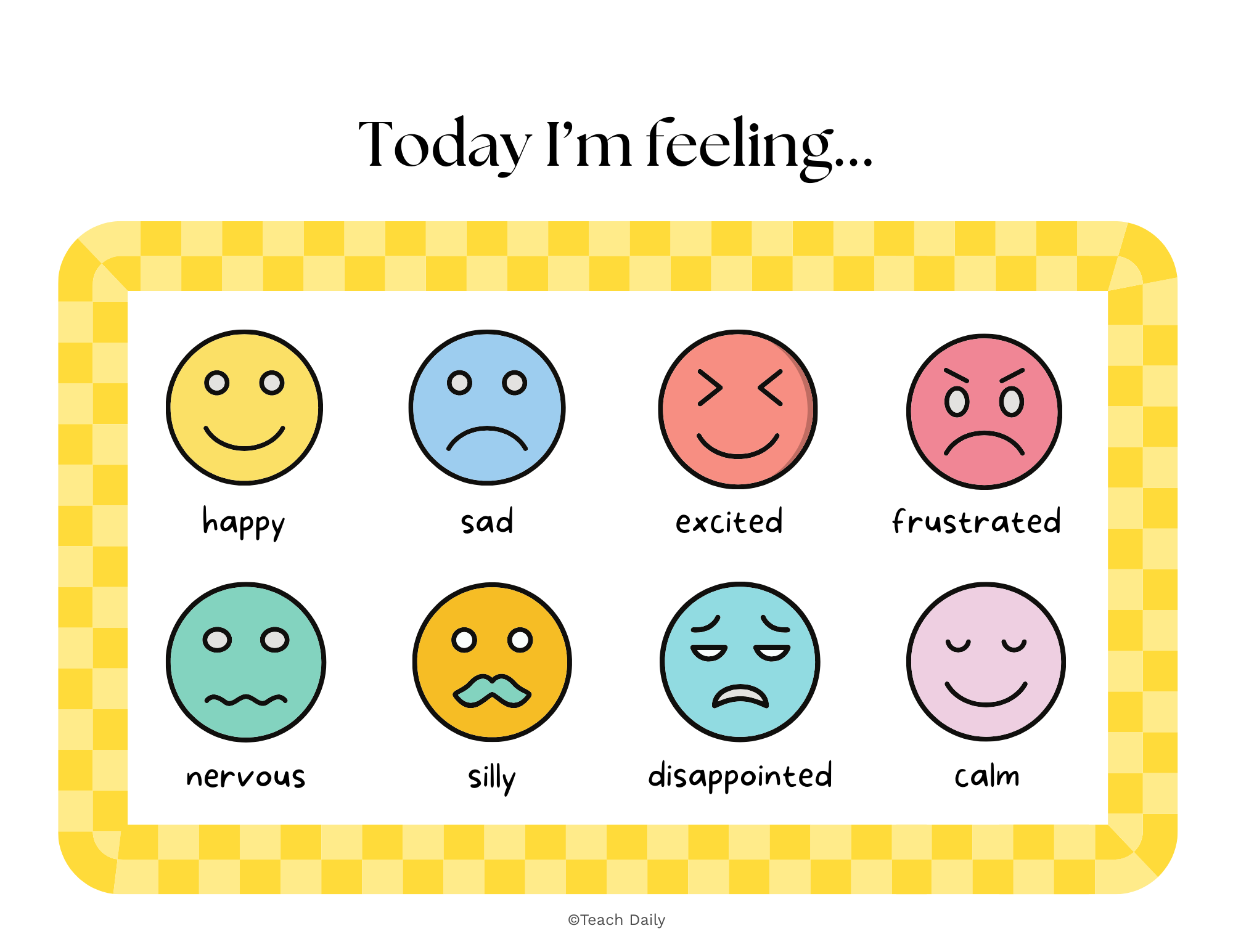
Emoji Drop
One simple way to strengthen relationships and support self-regulation is to intentionally check in with students’ emotions each day. Consider creating a routine where students identify how they are feeling as they arrive and place a marker under a matching emotion. This quick visual check-in helps students pause and reflect on their emotions before learning begins, while giving teachers valuable insight into students’ readiness, attention, and support needs. When students are aware of how they feel, they are better able to manage those emotions—making this routine a powerful, low-effort way to build connection, empathy, and emotional awareness in the classroom.
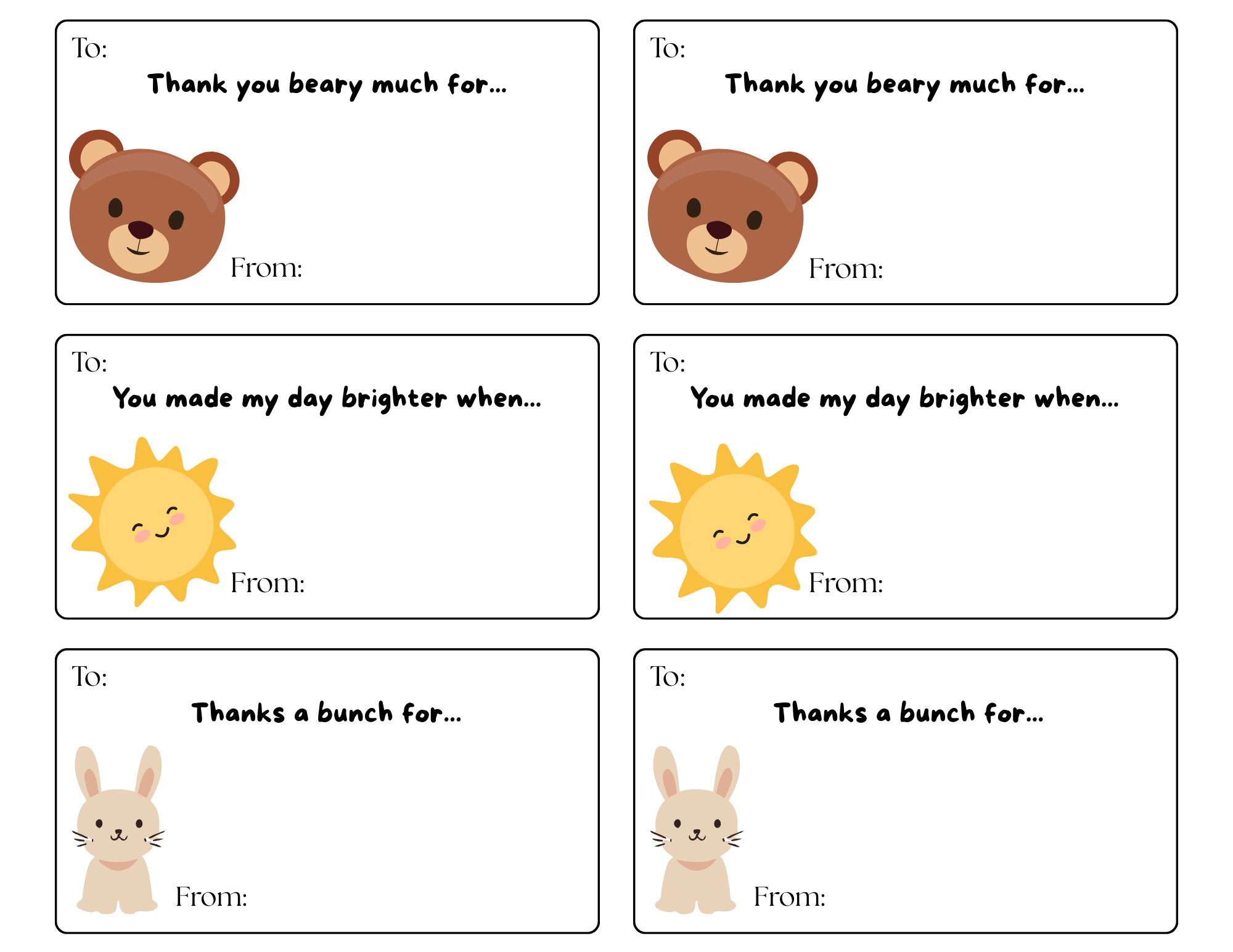
Thank-You Notes
Students write notes to classmates, staff, or family members acknowledging kindness or support.
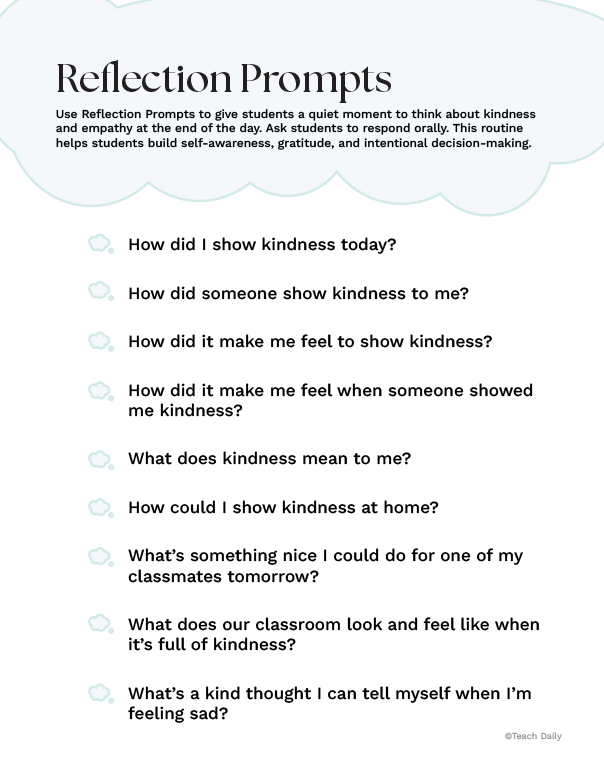
Reflection Prompts
Use Reflection Prompts to give students a quiet moment to think about kindness and empathy at the end of the day. Ask students to respond orally or in writing to prompts such as “How did I show kindness today?” or “How did someone show kindness to me?” This routine helps students build self-awareness, gratitude, and intentional decision-making.