Choice is woven throughout Daily 5. As students are ready, choice can include:
- Choosing a good-fit book. Students learn I PICK and increasingly select books that match their purpose, interests, and ability to engage successfully.
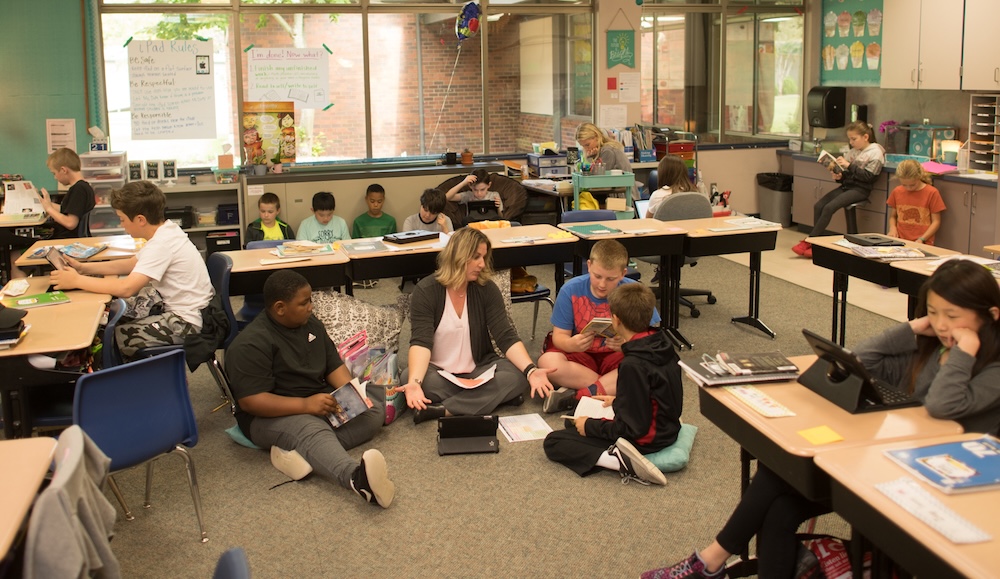
- Choosing a good-fit learning SPACE. Students learn to consider where they work best and select a workspace that supports successful engagement.
- Choosing what to write. During Work on Writing, students can make meaningful decisions about topics and the writing they want to develop.
- Choosing how to practice their learning. As more Daily 5 tasks are launched, students can consider which task gives them the best opportunity to work toward a particular reading or writing purpose.
- Choosing a partner for Read to Someone. Once the routines for Read to Someone are established, students can increasingly take responsibility for choosing a partner and getting started successfully.
We introduce each of these choices intentionally. First, we teach students what they need to know to make a successful decision. Then, as they demonstrate independence, we gradually give them responsibility for making it.
Choice grows alongside independence.
Start by Teaching the Routines
Choice works best when students already understand what success looks like. Before asking students to make a decision, explicitly teach the routine or behavior connected to that choice. Model it, practice it, and give students time to build independence, stamina, and engagement.
Then begin releasing the decision to students.
This pattern repeats throughout Daily 5:
Teach ➞ Practice ➞ Add Choice
Choosing a Good-Fit Book
Read to Self is always the first authentic Daily 5 task students launch. For younger students, we often begin by selecting books and filling book boxes for them. This allows students to focus first on the behaviors of independent reading.
Once Read to Self is established, introduce I PICK and begin teaching students how to choose books for themselves. Over time, students take greater responsibility for finding books that match their interests, purpose, and ability to engage successfully.
Choosing a Good-Fit Learning SPACE
Students also learn to make purposeful decisions about where they work.
Through the Choosing a Good-Fit Learning SPACE lesson, students learn that a workspace is successful when it helps them stay engaged and do their best learning.
As students demonstrate that they can make this decision responsibly, they can increasingly choose where they will work during Independent Practice. The main outcome is students who are able to understand what environment helps them learn successfully.
Choosing a Daily 5 Task
Choice of task begins after students have successfully launched and practiced Read to Self and Work on Writing. At that point, introduce the Daily 5 Check-In.
During Check-In, students Set a Purpose by choosing which task they will do during the upcoming round:
“I’m choosing Read to Self.”
or
“I’m choosing Work on Writing.”
When choice is first introduced, keep the process simple. Students are learning how to make a decision, communicate it quickly, and follow through independently.
As Check-In becomes familiar, begin connecting the task to a learning purpose: “I’m choosing Read to Self, and I’m going to practice checking for understanding.”
Choice of Task Grows One Task at a Time
Continue adding choices only after students have learned how to do each new task independently.
The progression might look like this:
- Read to Self
- Work on Writing
- Read to Self or Work on Writing
- Add Read to Someone
- Add Listen to Reading
- Add Word Study
For each new task, follow the same process:
Teach the Foundation Lessons → Launch with the 10 Steps → Keep Practicing → Add the task to choice
By the time all five tasks are available, students have already been explicitly taught how to engage successfully in each one.
Choosing a Partner During Read to Someone
Read to Someone adds another kind of decision: choosing a partner. First, explicitly teach the routines students need to read successfully with another person. This includes how partners sit, read together, coach one another, and stay engaged. Once those routines are established, students can begin taking greater responsibility for choosing a partner and getting started successfully.
As with every Daily 5 choice, the decision comes after students understand what successful independence looks like.
Choosing What to Write
Work on Writing gives students meaningful opportunities to make decisions about their own writing. Depending on the purpose of the lesson and the needs of your students, this can include choosing a topic, continuing a piece of writing, or deciding how they will apply a writing strategy.
The goal is authentic writing practice with enough structure for students to begin and continue independently.
Choosing How to Practice Their Learning
As students become more experienced with Daily 5, choice becomes increasingly connected to purpose.
Instead of thinking only: “What do I want to do?”
students begin thinking:
“What am I working on, and which choice will help me practice it?”
A student working on fluency might choose Read to Someone or Listen to Reading. A student working on monitoring meaning might choose Read to Self. A student strengthening a writing strategy might choose Work on Writing. This is where choice becomes more than preference. Students begin using what they know about themselves as learners to make thoughtful decisions.
Coach Choice Rather Than Controlling It
Students will need support as they learn to make these decisions. If a student repeatedly chooses the same task, struggles to select a successful workspace, or makes a choice that does not seem to support their learning, use it as an opportunity to coach.
You might ask:
- “What are you working on today?”
- “How will this choice help you?”
- “Where do you think you’ll be most successful?”
- “What did you choose last round?”
These brief conversations help students learn how to make stronger decisions over time.
Choice Builds Ownership
Daily 5 gives students many small opportunities to make meaningful decisions. They choose books. They choose spaces. They choose tasks. They may choose partners. Eventually, they increasingly choose how they will apply a strategy or work toward a goal.
Each decision is supported by explicit teaching and repeated practice. Over time, these choices help students become more independent, engaged, and aware of what they need as learners.
That is the deeper purpose of choice in Daily 5: helping students learn to recognize what they need, what will help them learn, and how to act on that knowledge independently.